PUP
One lawsuit can cost
more than you've built.
Umbrella covers the gap.
California's courts produce some of the high liability verdicts. A personal or commercial umbrella policy adds $1M–$10M+ of additional liability above your existing policies — often for a relatively low annual premium.
Coverage Types
Personal and commercial umbrella —
two different products, both essential
Personal umbrella covers your individual life. Commercial umbrella covers your business. If you have both a personal life and a business with assets at risk, you likely need both.
Home Liability Extension
When a claim against your homeowners policy exceeds your $300K–$500K liability limit, umbrella activates. Slip-and-fall injuries, dog bites, and pool accidents routinely exceed standard HO limits in California.
Auto Liability Extension
Multi-vehicle accidents, serious injuries, and pain-and-suffering awards can easily surpass 250/500 auto limits. Umbrella covers the difference — protecting wages, savings, and home equity.
Libel, Slander & Defamation
Standard home and auto policies exclude personal injury claims like defamation and invasion of privacy. Personal umbrella typically extends coverage to these claims — increasingly relevant in the social media era.
Landlord Liability Extension
If you own rental property, umbrella can extend over your landlord policy liability limits. Tenant injuries and property damage claims can escalate quickly — umbrella provides the headroom.
Family Member Coverage
Most personal umbrella policies cover all family members in your household, including drivers on your auto policy. Coverage extends to incidents arising from their activities — not just yours.
Worldwide Coverage
Unlike many underlying policies that restrict coverage geographically, most personal umbrella policies provide worldwide liability protection — covering incidents wherever they occur.
General Liability Extension
When a third-party injury or property damage claim against your business exceeds your GL policy's $1M/$2M limits, commercial umbrella steps in. Essential for any business with significant client interaction or premises exposure.
Commercial Auto Extension
A serious accident involving a commercial vehicle can generate liability claims far exceeding standard auto limits. Commercial umbrella extends your commercial auto coverage for these catastrophic scenarios.
Employer's Liability Extension
Workers' comp covers employee medical costs — but employer's liability covers lawsuits from employees claiming employer negligence caused their injury. Commercial umbrella can extend these limits significantly.
Completed Operations
For contractors, claims can arise long after a job is finished. Commercial umbrella extends over your GL's products-completed operations aggregate — covering injuries from work you completed months or years ago.
Premises Liability Extension
Slip-and-fall claims, structural failure, and property damage arising from your business location can generate large verdicts. Commercial umbrella provides the excess liability capacity your GL alone may not have.
Contract Compliance
Many commercial contracts, government bids, and landlord leases require liability limits above what standard GL provides. A commercial umbrella efficiently meets these requirements without restructuring your entire GL program.
Commercial umbrella vs follow-form excess
Buyers and contracts often say excess liability as a catch-all, but a follow-form excess policy and a commercial umbrella are not the same purchase. Both add limit above an underlying policy. They differ in whose wording decides a claim.
Adds limit on the underlying terms
Sits above required underlying limits
A contract that asks for excess liability is not automatically asking for a commercial umbrella. Read the required wording before buying the limit. Form language varies between carriers, so this comparison is educational rather than a coverage guarantee, and it is not legal advice.
Real California Scenarios
When umbrella coverage makes all the difference
These aren't edge cases. They're the exact situations umbrella insurance was designed for.
What It Costs
Umbrella insurance can be high-value protection
for the premium
Umbrella pricing depends on household or business risk, required underlying limits, and carrier appetite. These are illustrative California ranges.
For Individuals & Families
Covers home, auto, rental property, and personal activities. Many California homeowners should review whether at least $1M is appropriate.
For Businesses
Extends above GL, commercial auto, and employer's liability. Often required by contracts to reach $2M–$5M total limits.
Before You Apply
Umbrella policies require
minimum underlying limits
Umbrella carriers require your existing policies to have minimum limits before they'll write an umbrella. If your current coverage falls short, we'll identify that and adjust before placing your umbrella.
Typical Minimum Underlying Limits
Typical Minimum Underlying Limits
Highest-Priority Personal Umbrella Candidates
Highest-Priority Commercial Umbrella Candidates
FAQ
Umbrella insurance explained
Umbrella insurance provides additional liability coverage above your underlying home, auto, and business policies. When a claim exceeds your primary policy limits, your umbrella activates. It also covers some claims not included in underlying policies, such as personal injury (libel, slander, defamation) and false arrest.
A $1M personal umbrella may cost roughly $200–$400/year for many qualified households — under $1/day. Additional limits may add $50–$100/year, so $3M of protection often costs under $600/year. Commercial umbrella pricing varies by industry and ranges from $500–$7,000+/year for $1M–$5M in coverage.
Yes. Umbrella carriers require minimum underlying limits. For personal umbrella, this typically means 250/500 auto liability and $500K homeowners liability. For commercial umbrella, it usually requires $1M/$2M GL and $1M commercial auto CSL. We review your existing policies before recommending an umbrella program to ensure compliance.
Yes. Most personal umbrella policies include personal injury coverage, which covers libel, slander, defamation, invasion of privacy, and wrongful eviction claims. These are typically excluded from standard homeowners and auto policies. In California, online defamation and personal injury claims are increasingly relevant — personal umbrella is one of the few readily available protections.
No. Personal umbrella policies specifically exclude business activities. If you own a business, you need a separate commercial umbrella policy above your business's general liability and commercial auto policies. Many California small business owners make the mistake of assuming their personal umbrella covers their business — it generally does not.
A general guideline: carry coverage equal to your net worth, plus anticipated future earnings you'd want to protect. For most California homeowners with significant equity and income, $1M–$3M in personal umbrella is a reasonable floor. If you have a business, rental properties, teen drivers, or recreational vehicles, we may recommend more. Given California's litigation environment and large jury verdicts, higher limits may be worth reviewing depending on your assets and exposure.
Serving All of California
Umbrella insurance for every California resident
Where does your liability stop?
Slide to the liability limit on your current home policy. The bar shows the distance to a $1,000,000 judgment — the kind a serious auto or premises claim can reach.
An umbrella typically closes this for a few hundred dollars a year in California — the exact figure depends on your household, and we quote it rather than estimate it.
What a personal umbrella does not cover.
Standard form language — your own policy’s words control, and endorsements change them. This is exactly what we check before anyone quotes you.
- Your own injuries and property
An umbrella is liability — it pays people you harm, not your own losses.
- Business & professional liability
Work exposure belongs on commercial or E&O forms, not the family umbrella.
- Anything without its underlying policy
The umbrella attaches above required home and auto limits — if a leg is missing, so is the coverage.
- Intentional acts
Excluded everywhere, always.
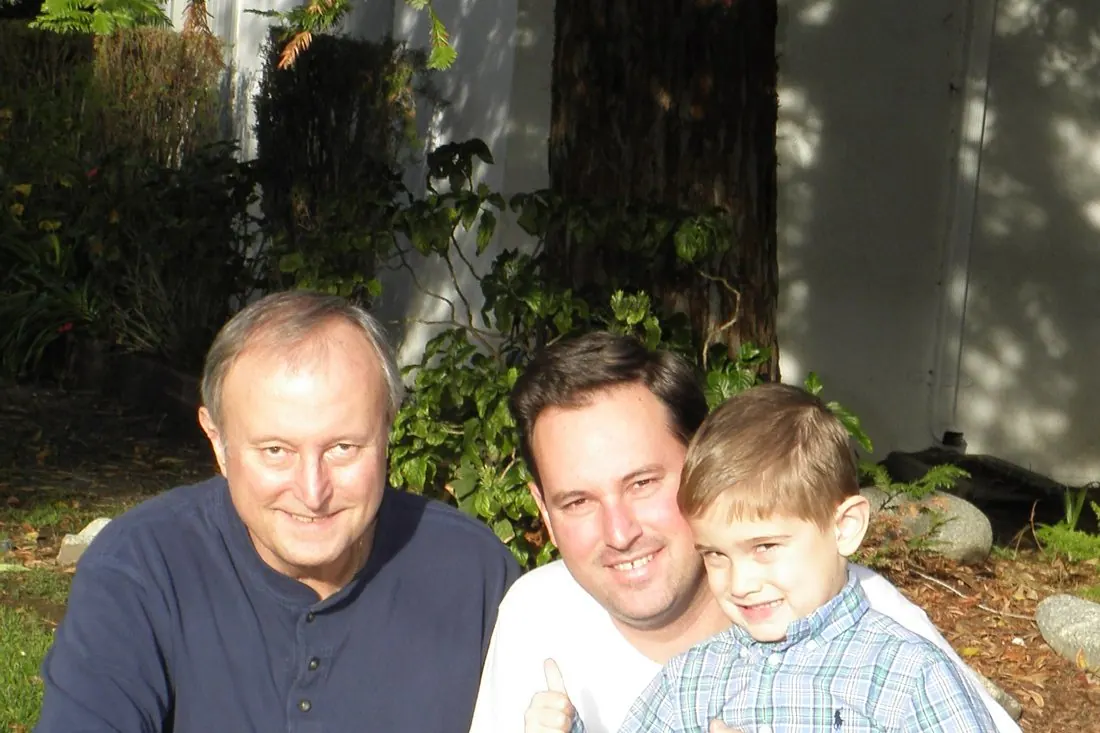
Our own photograph. An umbrella is a family idea — one layer of protection over everyone under the roof. We hold ours the same way.
CA DOI: WJB Services, Inc. agency 6013787 · Brian John Bollinger 0D94699 · Aaron Glen Bollinger 4345268 · every photograph on this site is our ownGet Protected
Complimentary umbrella coverage review.
Takes 15 minutes.
We review your existing coverage, identify any gaps in underlying limits, and find the right umbrella program across multiple carrier markets.