1 in 5 California drivers
is uninsured.
Are you
protected?
California has one of the highest uninsured driver rates in the country. The right auto policy doesn't just meet the legal minimum — it protects everything you've built when someone else doesn't carry coverage.
- ✓ California auto rates are regulated under Proposition 103 — every rate a carrier uses must be approved by the Department of Insurance first.
- ✓ Uninsured/underinsured motorist coverage protects you when the other driver carries only minimum limits — common on California roads.
- ✓ Liability limits protect your assets; state minimums are rarely enough for homeowners or anyone with savings to protect.
- ✓ Bundling home and auto often helps, but the right answer depends on which carrier wants your home — a broker checks both directions.
- Sources: CA Dept. of Insurance — auto
Coverage Components
Everything a California auto policy
should include
California's legal minimum is far below what most drivers actually need. Here's what each coverage does and why it matters here.
Liability Coverage
Pays for bodily injury and property damage you cause to others. California minimum is 30/60/15 — but this is easily exceeded in any serious accident involving medical bills or a newer vehicle.
Uninsured Motorist (UM/UIM)
Protects you when you're hit by a driver with no insurance (UM) or insufficient insurance (UIM). With 20.4% of California drivers uninsured, this isn't optional protection — it's essential.
Collision Coverage
Pays to repair or replace your vehicle after a collision with another vehicle or object — regardless of who was at fault. Required by lenders and lessors on financed or leased vehicles.
Comprehensive Coverage
Covers theft, fire, flooding, hail, vandalism, and animal strikes. Required alongside collision for financed/leased vehicles. California's wildfire smoke and flooding create specific comprehensive claims.
Medical Payments (MedPay)
Pays medical bills for you and your passengers after an accident — regardless of fault. Activates immediately without waiting for fault determination or health insurance claims processing.
Rideshare Endorsement
Fills the coverage gap for Uber, Lyft, and other TNC drivers. Personal auto policies exclude coverage during the app-on period. A rideshare endorsement closes this gap.
1 in 5 California drivers
has no insurance at all
California has one of the highest uninsured driver rates in the country. If an uninsured driver hits you, your only protection is your own UM coverage.
Uninsured driver runs red light, hits you
You suffer $60,000 in medical bills and 6 weeks of lost wages. The at-fault driver has no insurance and no assets.
Underinsured driver with minimum coverage
At-fault driver has 30/60 minimum. Your medical bills are $80,000. Their limit pays $30,000. Gap: $50,000.
Hit-and-run driver flees the scene
Driver strikes your vehicle and leaves. No identity, no insurance to pursue. $25,000 in vehicle and medical damage.
Coverage Deep Dive
Explore each coverage —
what's covered and what's not
California minimums aren't enough for most drivers
The legal minimum protects others from you. Adequate limits protect you from the financial reality of a serious California accident.
State Minimum
$30K per person, $60K per accident, $15K property damage. Meets the legal requirement but falls far short of actual accident costs in California.
Standard Coverage
$100K per person, $300K per accident, $100K property damage. The standard recommendation for California drivers who own a home or have assets.
High Limits + Umbrella
$250K/$500K auto liability plus a personal umbrella for $1M-$5M additional coverage. For homeowners and anyone with significant assets to protect.
California Auto Insurance Law
Proposition 103 —
California's driver protections
California has stronger auto insurance consumer protections than virtually any other state. These matter when you're reviewing coverage.
What They CAN Use
California auto rates are based
on what you actually do
Under Prop 103, rates must primarily reflect your actual driving behavior — not demographic or financial factors.
At-fault accidents, DUIs, and moving violations are the biggest rate drivers. A clean record earns preferred pricing.
More years of experience = lower rates. New drivers and younger drivers pay significantly more.
How much you drive matters. Low-mileage drivers may qualify for discounts. Telematics programs can verify and reward safe driving.
The make, model, year, safety ratings, and use of your vehicle affect collision and comprehensive premiums.
Serving All of California
Auto insurance for every California driver
We serve California drivers statewide—reviewing needs first, then comparing appropriate available options for coverage and price.
Frequently Asked Questions
California auto insurance explained
California requires 30/60/15 — $30K bodily injury per person, $60K per accident, $15K property damage. These minimums are far too low for most situations. Medical bills in a serious accident easily exceed $30K, and $15K barely covers a fender bender on a new car. We recommend at least 100/300/100.
20.4% of California drivers — roughly one in five — carried no auto insurance in 2023, the eighth-highest rate in the country (Insurance Research Council, Uninsured and Underinsured Motorists: 2017–2023). California consistently ranks among the states with the highest uninsured driver rates. This is why UM/UIM coverage is arguably the most important coverage on your California auto policy.
No. Proposition 103 (passed 1988, expanded since) prohibits California auto insurers from using credit scores as a rating factor. California auto rates are based on driving record, years of experience, annual mileage, and vehicle type. This protects California drivers from credit-based pricing that affects drivers in most other states.
UM coverage pays for your medical bills, lost wages, and vehicle damage when an uninsured driver hits you. UIM covers the gap when the at-fault driver's limits aren't enough. With 20.4% of California drivers uninsured, this isn't optional — it's essential. Match your UM/UIM limits to your liability limits. The additional annual cost is typically $30-$60.
Rideshare (TNC) insurance fills the gap between your personal auto policy and the rideshare platform's commercial coverage. During Period 1 (app on, waiting for a ride request), your personal auto policy excludes coverage and Uber/Lyft's coverage is limited. A rideshare endorsement closes this gap for California TNC drivers.
Collision pays to repair your vehicle after a collision with another vehicle or object — regardless of fault. Comprehensive covers non-collision losses: theft, fire, flood, hail, vandalism, and animal strikes. Both are required on financed or leased vehicles. For older paid-off vehicles, weigh annual premium against vehicle value — when premium exceeds ~10% of value, dropping these coverages may make sense.
Common strategies include maintaining a clean driving record, bundling when useful, selecting sustainable deductibles, reporting mileage accurately, and comparing appropriate available markets through an independent broker. Eligibility, pricing, and available discounts depend on the driver, vehicle, location, and carrier.
What a personal auto policy does not cover.
Standard form language — your own policy’s words control, and endorsements change them. This is exactly what we check before anyone quotes you.
- Rideshare & delivery while logged in
The personal policy steps back the moment the app is on, unless endorsed.
- Business use
Regular work use of a personal vehicle usually belongs on a commercial auto policy.
- Racing & track events
Excluded on the standard form.
- Custom equipment beyond limits
Aftermarket gear above the small built-in allowance needs to be scheduled.
- Intentional damage
Insurance covers accidents. It never covers on-purpose.
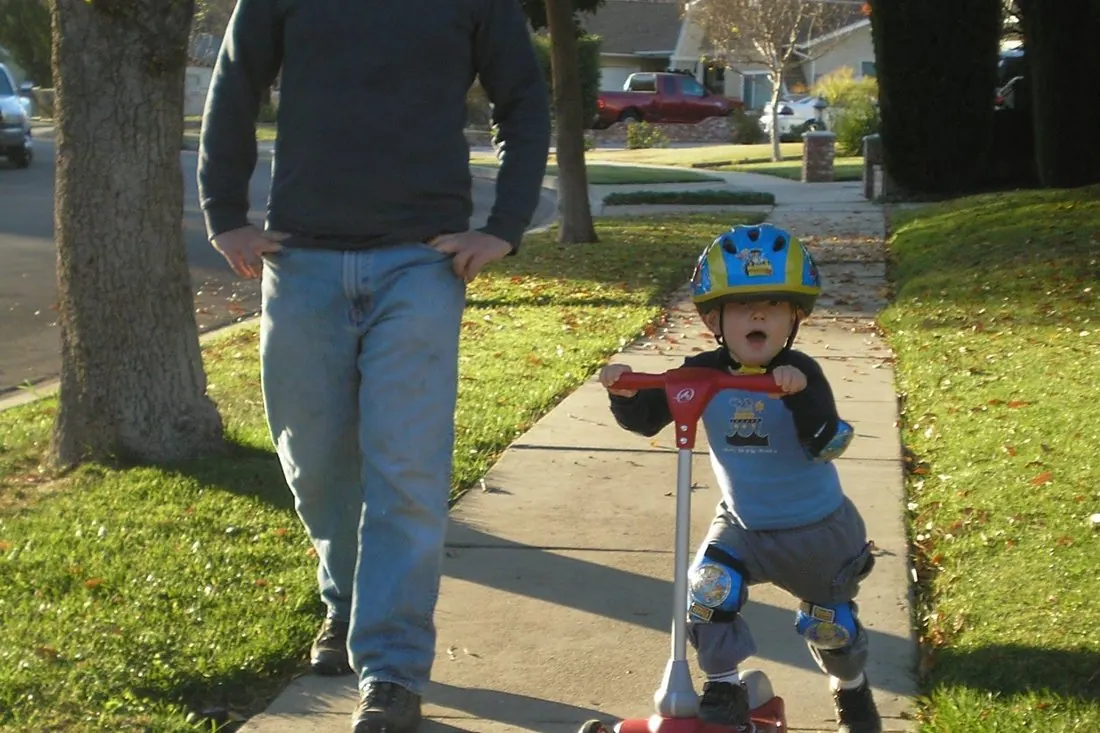
Our own photograph. We watched the first one like hawks. Auto files get the same eyes — drivers, limits, and the gaps between them.
CA DOI: WJB Services, Inc. agency 6013787 · Brian John Bollinger 0D94699 · Aaron Glen Bollinger 4345268 · every photograph on this site is our ownComplimentary 15-minute California auto
insurance review.
We review your current coverage, identify material gaps—especially UM/UIM—and compare appropriate available markets when a change may help.