California business insurance.
One coordinated program.
From the first employee to a multi-location operation, we coordinate commercial insurance programs across liability, property, vehicles, workers' compensation and specialty coverage. A licensed broker leads the review across 334 market relationships.
What does your business actually need?
Select your business type and we'll show you the specific coverages that apply — what's required by law, what's strongly recommended, and what depends on your situation.
Should you get a BOP — or
standalone policies?
A Business Owners Policy bundles GL and property at a lower combined cost. It's right for many small businesses — but not all. Here's how to think about it.
General Liability (included)
Third-party bodily injury, property damage, and Coverage B. Standard $1M/$2M limits with option to increase. General liability is also called commercial liability or business liability.
Commercial Property (included)
Building and business personal property at your location. Business interruption often bundled in.
Business Interruption (often included)
Lost income and ongoing expenses during a covered property closure — typically 12 months.
Qualifying Small Businesses
Retail stores, offices, small service businesses, restaurants (standard risk), and other businesses with a physical location, under $5M revenue, and standard operations. Lower combined premium than standalone policies.
High-Risk or Complex Businesses
Contractors, manufacturers, businesses needing limits above BOP caps, operations across multiple locations with large total values, or businesses with unusual exposures that admitted BOP carriers won't write.
We Compare Both Options
For every qualifying business, we check BOP pricing against standalone GL + property pricing to find which approach gives better coverage at lower cost. We show you both and explain the difference.
Coverage Lines
Every commercial line we place
Third-party bodily injury, property damage, completed operations, and personal & advertising injury. The foundation of every commercial program.
Workers’ CompensationRequired of every California employer with one or more employees. Covers medical treatment, disability and lost wages for work injuries.
Commercial PropertyYour building, business personal property, equipment and inventory — plus lost income if a covered loss closes you temporarily.
Commercial AutoPersonal auto policies exclude business use. This covers vehicles driven for the business: owned, leased, hired and non-owned.
Cyber InsuranceData breaches, ransomware, business interruption from a cyber event, and regulatory exposure under the California Consumer Privacy Act.
Group HealthMedical, dental, vision and life benefits for employees. Required of applicable large employers (50+ full-time equivalents) under the ACA.
Commercial UmbrellaAdditional liability limits sitting above your general liability and commercial auto. Often the cheapest way to satisfy a contract requirement.
Professional Liability (E&O)Claims arising from advice, errors, omissions or work that failed to perform. Separate from general liability, and not optional for most professionals.
Inland MarineCommercial property covers a fixed location. Inland marine follows the equipment: job sites, transit, and tools kept in vehicles.
Surety BondsContract, licence and permit bonds. A bond guarantees your performance to somebody else — it is not insurance protecting you.
Industry Programs
Insurance built for your specific industry
Each operation brings different exposures, contract requirements, and carrier questions. Select an industry to see coverage lines worth reviewing with a broker. Explore our California industry paths.
Workers' Compensation
CA Labor Code coverage for employees, with payroll, class codes, and experience mod reviewed at renewal.
General Liability + Completed Operations
Premises, ongoing operations, completed operations, additional-insured, and project-owner wording vary by contract and policy.
Commercial Auto
Owned, hired, and non-owned vehicles used for business, including jobsite and materials runs.
Inland Marine / Equipment Floater
Tools, mobile equipment, rented equipment, and property away from the shop.
Commercial Umbrella
Higher limits for contracts, larger jobs, and project owner requirements.
California Contractor Insurance Insights
Page record
Updated date and corrections.
This page was last updated , the same date recorded on the page. It gives general information and is not a coverage determination. Report a correction through the editorial policy.
FAQ
California business insurance explained
At minimum: general liability (required by most leases and clients), workers' comp (required by law for any employer with one or more employees), and commercial property if you own or lease a location. Depending on your business: commercial auto, cyber insurance, professional liability, and commercial umbrella may also be needed.
A BOP can combine general liability and commercial property coverage; whether it costs less or fits the operation depends on the insurer and policy terms. It's designed for small to mid-size businesses with physical locations. BOPs typically include GL, property, and business interruption. Not all businesses qualify — contractors, manufacturers, and large businesses typically need standalone policies.
Costs vary widely by industry, revenue, payroll, loss history, location, coverage, and carrier appetite. An independent broker can review the program and compare appropriate available markets when remarketing may improve the result.
Yes. California Labor Code § 3700 requires all employers with one or more employees to carry workers' compensation. This includes part-time and seasonal employees. Operating without required workers' comp is a criminal offense — fines up to $10,000, stop-work orders, and personal liability for all injury costs.
A captive agent generally offers one carrier's products. An independent broker is not tied to one carrier. Bollinsure has access to 334 insurance markets and can compare appropriate available options based on the business, coverage needs, underwriting, and carrier appetite.
Any California business that stores customer data, processes payments, or relies on computer systems should have cyber insurance. California's CCPA creates specific breach notification and liability requirements. Standard GL and property policies explicitly exclude cyber events. With ransomware attacks affecting businesses of all sizes, cyber insurance has become essential for most California operations.
Yes. On this page they are three names for one coverage. Commercial liability and business liability are both common ways of saying general liability, the policy that answers third-party bodily injury and property damage claims. Asking for commercial liability is not asking for a second product to sit alongside general liability. What any of them actually covers is subject to the policy form, so the wording on the quote decides the coverage rather than the name on it.
What a general liability policy does not cover.
Standard form language — your own policy’s words control, and endorsements change them. This is exactly what we check before anyone quotes you.
- Employee injury
That is workers’ compensation — a separate, usually mandatory policy.
- Vehicles
Business driving belongs on a commercial auto policy.
- Professional errors
Advice and work-product mistakes are E&O / professional liability.
- Cyber events
Breaches and ransomware are commonly excluded or sub-limited — cyber is its own form.
- Intentional acts
Excluded on every form.
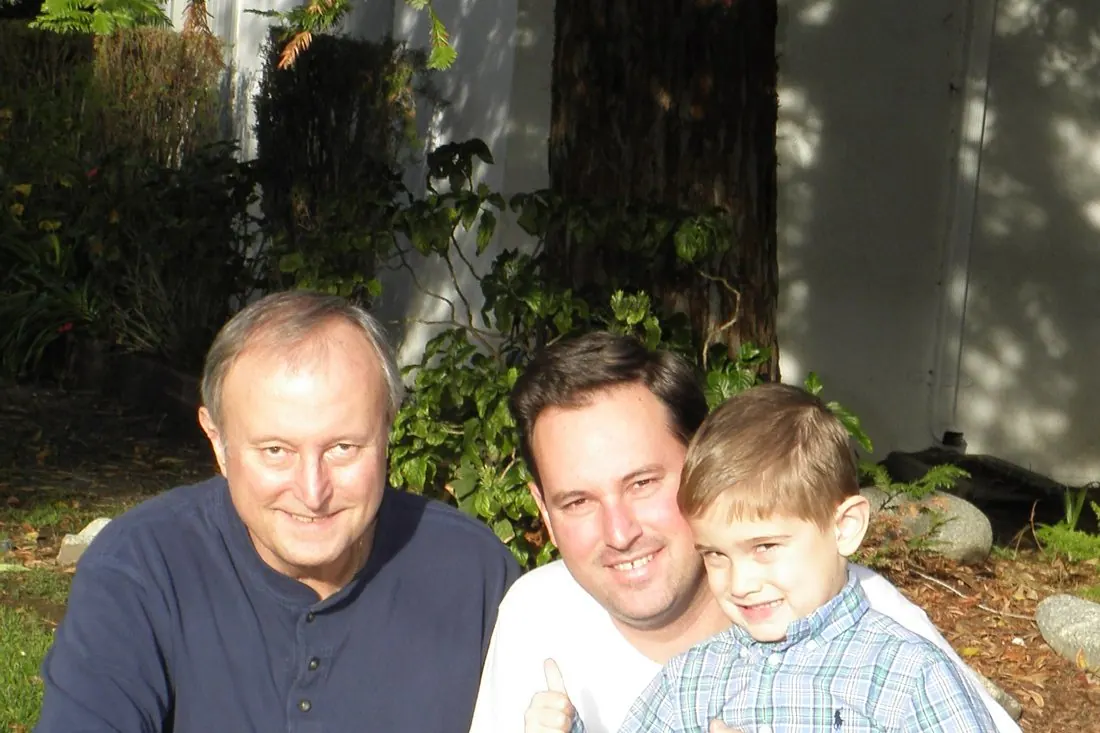
Our own photograph. Three generations, one desk — your commercial file is owned by a licensed broker whose name you know.
CA DOI: WJB Services, Inc. agency 6013787 · Brian John Bollinger 0D94699 · Aaron Glen Bollinger 4345268 · every photograph on this site is our ownRead next
- ArticleBOP vs Standalone: Which Business Insurance Structure Actually Saves You Money?When the package is the right structure for a California business, and when it quietly is not.
- ArticleCommercial Insurance Renewal Checklist for California BusinessesWhat to have in hand before renewal across liability, workers’ comp, auto, property, cyber and EPLI.
- ArticleThe Business Insurance Gap That Catches California Employers Off GuardHired and non-owned auto: the errand your general liability and their personal policy both decline.
Complimentary California
business insurance review.
Tell us about your business, current program and renewal timing. We will identify the underwriting information carriers need, review material gaps, and compare appropriate available markets when a change may help.
The complete California business insurance guide.
What a Business Owner's Policy bundles and excludes, the core coverages every business needs, and the specialty policies that fill the gaps — in one comprehensive resource.
Commercial coverage review
Renewing within 120 days, or need coverage now?
Start with your commercial insurance program. A licensed California commercial broker can review the current program, identify the underwriting information carriers will need, and coordinate the next step.